By Halina de Jong-Lambert, Interviews
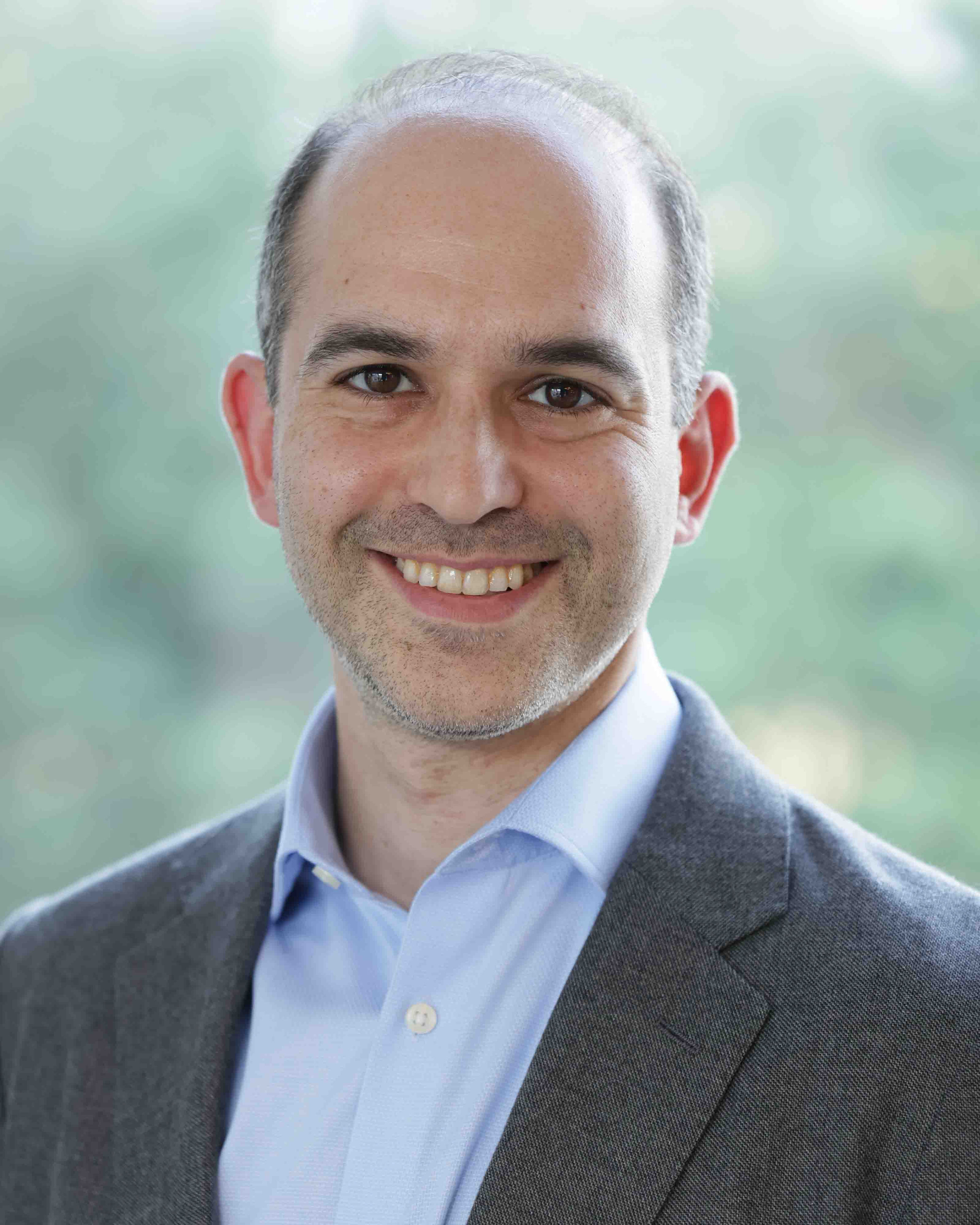
Soon after we sat down to speak, James Coan said, “There’s often been a statement: we need to find common ground. Well, cool, but if we already have hundreds of examples when we’ve found it, why don’t we just use what’s already there and just share that it exists?” This idea is part of what propelled James Coan, who formerly worked in energy research and consulted for S&P Global, to co-found More Like US, an organization dedicated to correcting the political misperceptions that abound in America today. A few mere minutes on the organization’s website leads to some surprising revelations – notably among them that Americans share the same views far more than one may think. This is an increasingly difficult thing to convince the average American of, especially in the wake of the presidential election, which James and I touched on as a flash point for polarization.
But More Like US makes a strong attempt to do just that with a “multi-pronged approach.” One part of this is recognizing the growing role of social media and TV in providing political news and shaping how we perceive information. A fan of mnemonics, Coan uses ‘CAST’ to explain what his organization does in this area. “So, casting the other side in a better light, which is showing them as more complex, admirable, similar, and worthy of togetherness than what we otherwise think.” While More Like US’s website doesn’t focus solely on the perceived yawning gap between the two main political parties, Coan acknowledged their role in our tendency to oversimplify of each other: “Instead of seeing people as stereotypical, all the same, I see people as unique individuals, [I] see a big party of tens of millions of people as actually having lots of subgroups and not being all the same.”
To translate this goal into action, More Like US has formulated lesson plans and presentations about the perception gap, hoping they are flexible enough to be presented to people across age groups. Coan emphasized that these lesson plans try “to reach people where they are.” He continues,“There will be a few who want to go into a workshop, who want to spend quite a bit of time learning skills and engaging in conversations that may be difficult. But a lot of people don’t have the time, interest, energy, or confidence to do that. And so we try to reach this category that we would say the vast majority of people fit into.” The organization prefers for people to come across their materials naturally: in classes, training programs for organizations like Americorps, or onboarding materials for jobs.
Yet, the organization also hopes that people use their aggregated data in their own individual ways to inform people about collective similarities. This is what the Similarity Hub portion of their website is intended for. The Similarity Hub shares some surprising statistics concerning what Republicans and Democrats agree on. Agreement can be found even with volatile political issues; 94% of people are stated to be in favor of “preventing certain people, such as convicted felons or people with mental health problems, from owning guns.” Hearteningly, 96% of us agree that “it is at least somewhat important to have mutual respect and compassion for each other despite our differences.” Coan told me he hopes these numbers can have some impact on our information environment, whether they are shared by those in more traditionally political professions such as journalists, or those less so, like preachers.
“Dethreatening.” – crafting new words like this is one example of the unique approach Coan is taking towards eliminating the political perception gap. Dethreatening essentially “reducing the amount of fear people have about the other side.” Unfortunately, with many of today’s prominent political issues being interpreted as profoundly personal and intimate – transgender health care and abortion comes to mind – lowering people’s sense of fear and danger in politics becomes a tall order. When I questioned Coan on this, he highlighted reduction over complete elimination: “So when it comes to these fears, it’s reducing a sense of threat, but not eliminating it. Like if there’s a lion, I’m not going to tell people, ‘no, it’s a friendly lion,’ right? There are threats but it’s about rightsizing them, reducing the overblown.” He introduced research that, if widely publicized, could go far in making people feel safer. “There’s data about the share of people in each party who condone political violence, which is very low, at least when certain questions are asked. There is also a much lower condoning of breaking democratic norms than expected.” Why, then, do we not see the media, politicians, and even nonprofits doing more to share this kind of positive data, and attempting to “dethreaten” or encourage some common ground? Coan cites a “negative incentive.” He elaborates, “If they want to get people’s attention and money, typically it makes sense to get people emotionally activated through anger, outrage, and fear, and these data points don’t lend themselves to that.”
For Coan, the mission of More Like US goes to the core of the question of identity, which may present an interesting future direction for the organization. As he described, the identities we ascribe to others and ourselves greatly shape how we see each other, and whether we can see the other side over the perception gap. What if these identities were less surface level? “Martin Luther King [Jr.] –, [his] “I Have a Dream” speech, he doesn’t want his daughter judged on the color of her skin but the content of her character. Can you actually have a virtue-status society, where people are judged on the contents of their character? How hardworking they are, how trustworthy they are?” He believes that there is a niche role for More Like US to play in reducing post-election divisions, and that re-evaluating identity could be especially important now in the wake of the presidential election.Concerning some terms that have been thrown around since, he said: “There are some predispositions to these authoritarian and illiberal tendencies, but they have to be activated by threat. So what More Like US does is trying to reduce at least the overblown parts of this threat, which should hopefully reduce the attractiveness of authoritarianism or illiberalism.” Whether this threat turns out to be as real as some predict or not, Coan sees correcting our political misperceptions of each other and emphasizing our collective similarities to be a crucial goal that supersedes political changes. As he puts it, “The North Star is trust.”
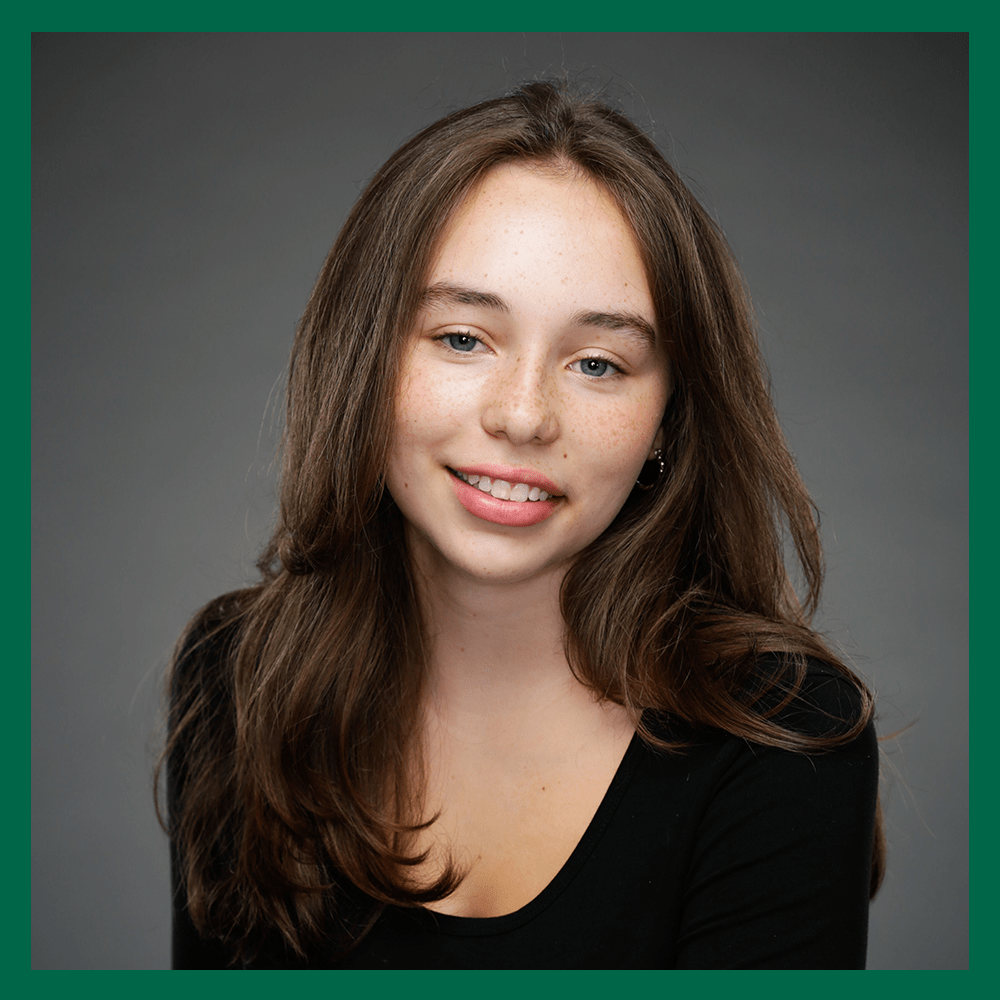
Halina de Jong-Lambert is a sophomore double majoring in economics and political science and minoring in music from Manhattan, NY. She is part of the Student Association and Treble Chorus on campus and is an intern for the NYC Department of Health. She wrote a research article last year on the aftermath of a Universal Basic Income study in Otjivero, Namibia as part of the Source Project, interviewing the heads of the study to get an accurate picture of its complex effects. This project gave her the strong belief that economic opportunity is central to quality of life and must be a top priority globally. She enjoys running, baking, and watching horror movies with her roommates, and hopes to one day be a development economist for an international organization like the IMF or World Bank.

 Happy Medium
You must be logged in to post a comment.