By Hatim Husainy, Sustainability
In 2011, Binghamton experienced one of the worst floods in the city’s recorded history. Tropical Storm Lee had stalled in the area, fusing with the dying hurricane Katia. These two storm systems combined to release a deluge into the Susquehanna River basin, causing a devastating flood as the river broke its banks and submerged much of the city (NOAA 2024). Today, remnants of the storm’s path can be seen simply by walking through Binghamton. The Macarthur Elementary School had to be entirely rebuilt after the flood’s devastation and now sits on stilts designed to “co-exist [with the river] based on long-term flood projections.” (Welliver 2023) according to the firm hired to rebuild the school. The flood may be over, but its impact has lasted since it persisted.
Hurricanes, their behavior, and the legacies they leave act in much the same way. The devastating Hurricane Katrina reshaped the city of New Orleans and its surrounding areas, even the parts that didn’t flood entirely (Ambrose 2021). The Lower 9th Ward is still struggling to rebuild – in the Ninth Ward, the failure of a floodwall caused much of the section to be flooded, and the Ninth was also the last part of the city to be cleared of water and debris. In contrast, some parts of the New Orleans region have completely reinvented themselves. Katrina almost destroyed Saint Bernard’s Parish, but it is now the fastest-growing economic zone in the state. Much of the post-Katrina rebuilding parallels Long Island’s recovery from Superstorm Sandy. In 2013, Sandy reshaped the shorelines of New York and New Jersey. In one of the most expansive shoreline protection projects in the history of New York, the US Army Corp of Engineers built out shoreline protection and restoration efforts from Long Island to New Jersey. (Parker, 2024)
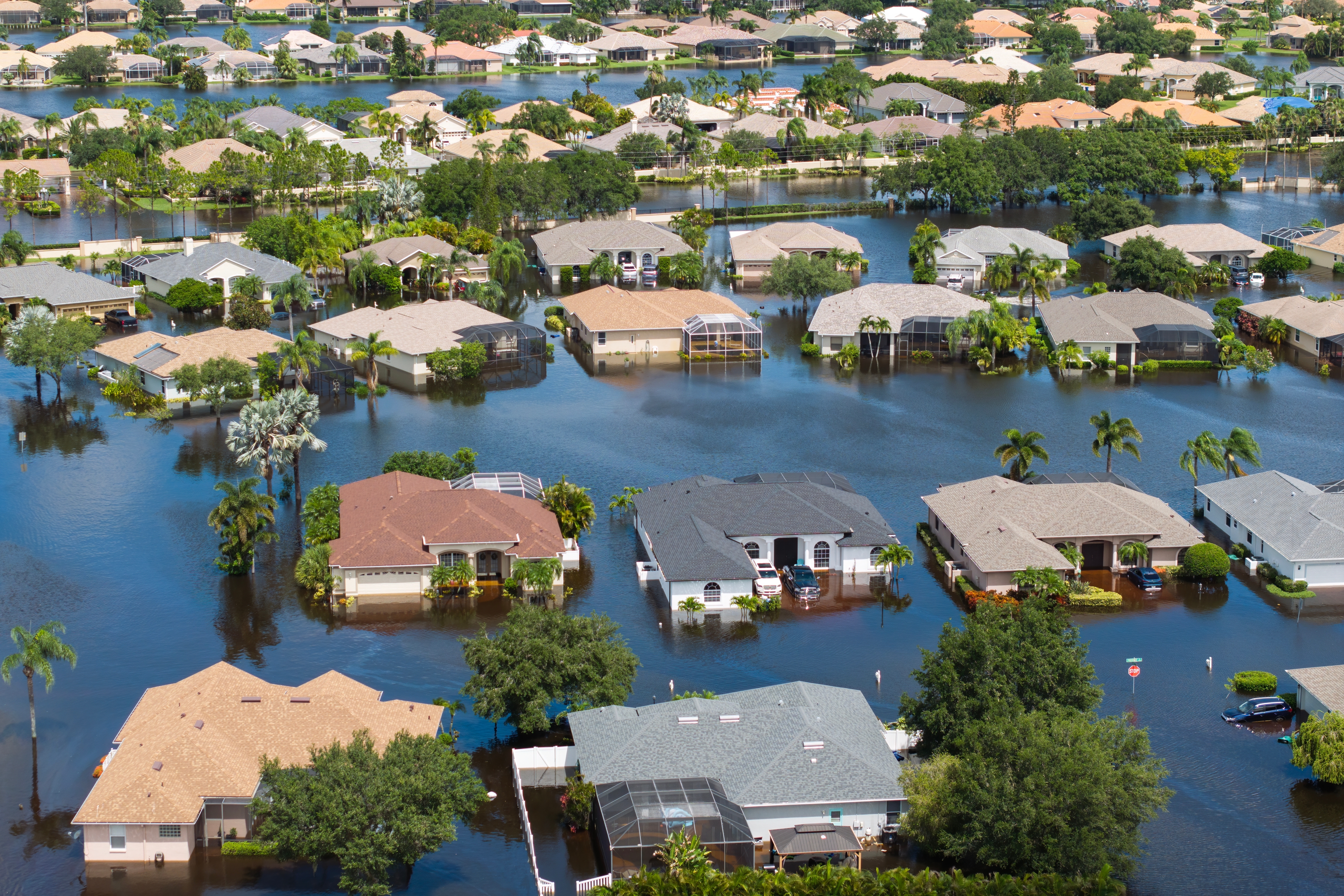
Worryingly, hurricanes aren’t expected to get any weaker. In fact, Hurricane season is expected to become more intense as the amount of rain hurricanes bring with them increases, and storm surge swings become more dangerous due to higher water levels (Gramling 2021), making adequate preparation all the more critical. It is expected that, among other factors, warming seas and the El Niño cycle have been strengthening the most recent hurricane season, increasing not just the amount of damage inflicted on infrastructure but the threat to human life posed by hurricanes. (Waldholz et al. 2024). Luckily, these threats have not gone unnoticed. The Inflation Reduction Act invested in strengthening hurricane prediction and prevention technology and developing new approaches to fighting extreme weather. (Vaidyanthan 2022). Similarly, communities build strong mutual aid networks in the direct aftermath of hurricanes that fuel survival and recovery and enable communities to recover. (Advocate For Justice 2024). Increasingly extreme weather is also changing the way we build cities. In the wake of the 2011 floods in Binghamton, the city released new plans to begin building storm drainage systems and increasing the amount of water the city can absorb, which would protect from future flooding (Maneshni 2023). These plans mirror similar developments elsewhere in the world – the “sponge city” movement that began in China, aiming to lower flood casualties in China’s rapidly growing and industrialized cities, has shown promise and laid out a blueprint that has since gained international recognition (Ruwitch 2023).
Moving towards greener and more absorbent cities has numerous benefits beyond merely less flooding (Simon, 2022) – they are walkable, calm, and sustainable. Recent research on using fungi in land purification has suggested that these strategies could yield several auxiliary benefits, such as purifying soil of everything from heavy metals to pesticides. (Akhtar et al. 2020). Hurricane Helene recently tested these ideas. When the storm rampaged through Florida, one community explicitly designed for flood resilience and energy efficiency weathered it with few problems (Ramirez, 2024).
The climate crisis is an issue with many angles. It forces us to examine how we live our lives, not just in terms of energy but how we build our cities, transport ourselves, and what we eat. As we are forced to deal with the consequences of unchecked climate change, it is not enough to focus on lowering emissions. We must also prepare ourselves for an exceedingly hot world — and, as a result, more hurricanes, tornados, and droughts. These are problems that would be difficult to deal with in the most ideal circumstances, and we must leverage the potential of civil engineering and urban design to face these challenges and turn them into opportunities.

Hatim Husainy is a freshman from Smithtown, NY, studying political science. He is in the early phases of a research project on human rights in the Binghamton area. In addition to the Happy Medium, he participates in Moot Court, Model United Nations, and Citizens Climate Lobby. He plans to pursue law school after his undergraduate degree, and from there, he plans to save the world.
References
Advocates for Disaster Justice. https://www.advocatesfordisasterjustice.org/ (November 16, 2024).
Akhtar, Nahid, and M Amin-Ul Mannan. 2020. “Mycoremediation: Expunging Environmental Pollutants.” Biotechnology Reports. https://www.sciencedirect.com/science/article/pii/S2215017X19307003 (November 2024).
Ambrose, Kevin. “Sixteen Years after Katrina, New Orleans Has Strengthened Its Flood Barriers – The Washington Post.” Washington Post. https://www.washingtonpost.com/weather/2021/08/28/hurricane-katrina-orleans-rebuilt-photos/ (November 18, 2024).
“Binghamton City School District – MacArthur Elementary School.” 2023. Welliver. https://www.buildwelliver.com/projects/binghamton-city-school-district-macarthur-elementary-school/ (November 16, 2024).
Gramling, Carolyn. 2021. “Hurricanes Are Getting More Dangerous, but May Not Be More Frequent.” Science News. https://www.sciencenews.org/article/hurricanes-frequency-danger-climate-change-atlantic (November 16, 2024).
Maneshni, Autriya. 2023. “Binghamton Reveals 1st Climate Action Plan in a Decade.” https://www.wbng.com. https://www.wbng.com/2023/06/27/binghamton-reveals-1st-climate-action-plan-decade/ (November 16, 2024).
Parker, Lisa. 2024. “Looking Back: Twelve Years of Coastal Restoration & Resilience since Hurricane Sandy.” DredgeWire. https://dredgewire.com/looking-back-twelve-years-of-coastal-restoration-resilience-since-hurricane-sandy/ (November 17, 2024).
Ramirez, Rachel. 2024. “Helene and Milton Put This Net-Zero, Hurricane-Proof Community to the Test. the Lights Stayed on as Everything Else Went Dark.” CNN. https://www.cnn.com/2024/10/12/climate/hurricane-milton-helene-florida-homes/index.html (November 16, 2024).
Ruwitch, John. 2023. “Making Cities ‘spongy’ Could Help Fight Flooding – by Steering the Water Underground.” NPR. https://www.npr.org/2023/10/03/1202252103/china-floods-sponge-cities-climate-change (November 16, 2024).
Simon, Matt. 2022. “If You Don’t Already Live in a Sponge City, You Will Soon.” Wired. https://www.wired.com/story/if-you-dont-already-live-in-a-sponge-city-you-will-soon/ (November 16, 2024).
US Department of Commerce, NOAA. 2024. “Flood of September 07-08, 2011 Lee.” National Weather Service. https://www.weather.gov/bgm/pastFloodSeptember072011 (November 16, 2024).
Vaidyanathan, Gayathri. 2022. “Scientists Welcome ‘enormous’ Us Climate Bill – but Call for Stronger Action.” Nature News. https://www.nature.com/articles/d41586-022-02223-8 (November 16, 2024).Waldholz, Rachel, and Alyson Hurt. 2024. “Are Hurricanes Getting Worse? Here’s What You Need to Know.” NPR. https://www.npr.org/2024/10/08/nx-s1-5143320/hurricanes-climate-change (November 2024).

 Happy Medium
You must be logged in to post a comment.