By Jadyn Schoenberg, Political History
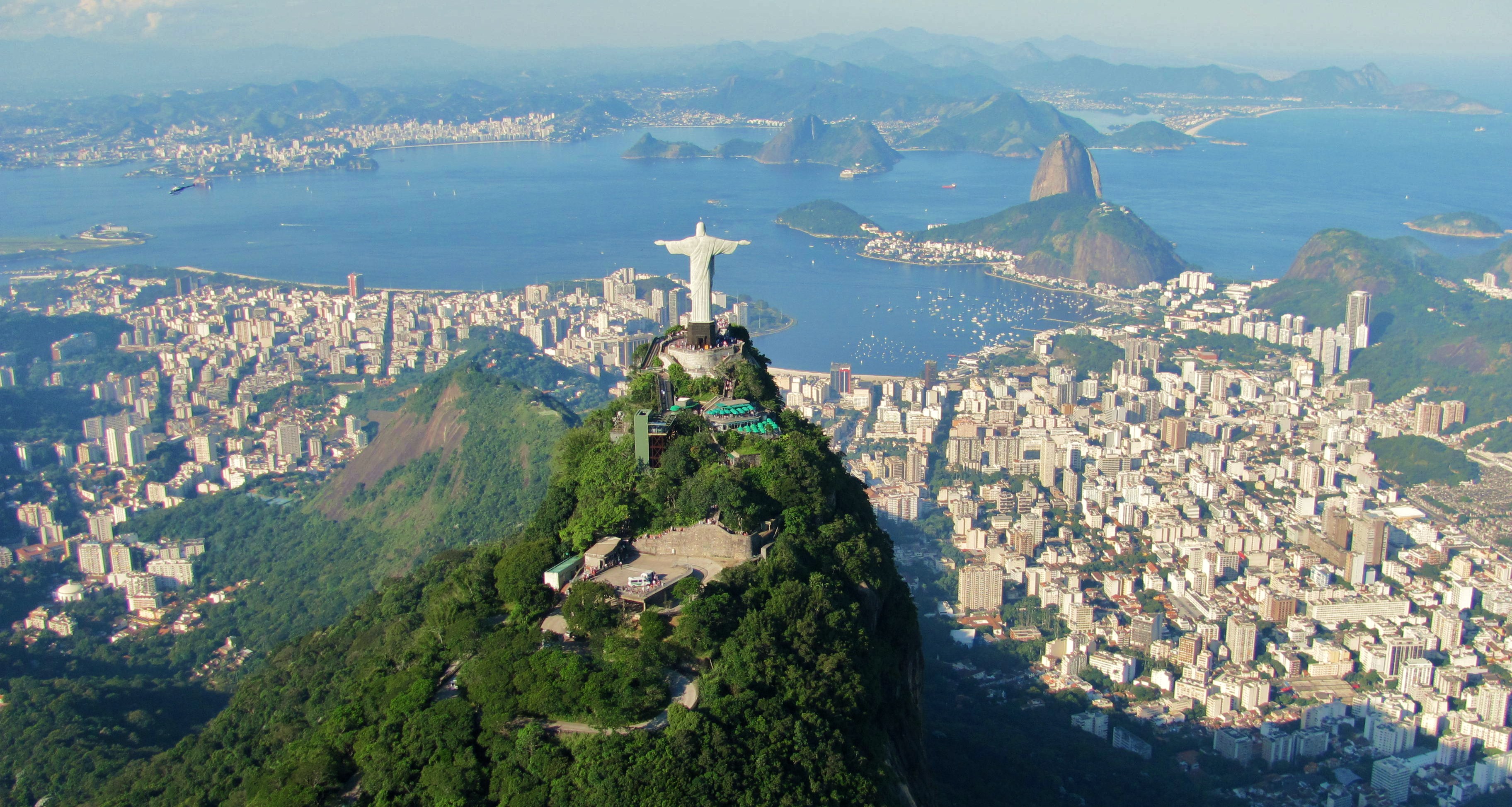
Photo: Rafael Rabello de Barros, CC BY-SA 3.0
When democratic processes, such as elections destroy the ambitions of world leaders, these leaders begin to destroy democracy. This September, Jair de Bolsonaro, the former president of Brazil, was indicted for the coup d’etat he orchestrated, after losing reelection in 2022. Donald Trump, who considers Bolsonaro an ally, responded to his conviction , “it’s very much like what they tried to do with me, but they didn’t get away with it at all.” Bolsonaro’s attempted coup has striking parallels to the January 6th insurrection in the U.S. with the stark discrepancy being the fact that Bolsonaro faced criminal prosecution, and Trump’s case was dismissed. Within the last decade, several leaders worldwide have attempted to unlawfully seize power when losing their reelection bids or facing impeachment, but many of them faced judicial pressure and long sentences of imprisonment. Aside from Bolsonaro, there is also Pedro Castillo of Peru and Ernest Bai Koroma of Sierra Leone, whose convictions were facilitated by their country’s opposition party through the courts and legislatures.
Bolsonaro was convicted on charges of attempted criminal conspiracy, attempted abolition of the democratic rule of law, attempted coup d’etat, violent destruction of public property and damage to national heritage sites (Buschschluter 2025). Bolsonaro was allegedly connected to a plan to assassinate the president and vice president elect, and his supposed involvement is backed by documents detailing the conspiracy found to be printed at the Presidential Palace when he was in office. The assasination of Luiz Inacio Lula de Silva was intended to take place on January 1, 2023, but never occurred because Bolsonaro and his co-conspirators failed to acquire military support (Buschschluter 2025). The unsuccessful attempt inspired Bolsonaro and his supporters to try to reclaim lost power in a different way, and on January 8, Bolsonaro supporters stormed capital buildings in Brasilia and caused damage to government property (Buschschluter 2025). The insurrectionists were largely motivated by Bolsonaro’s claims of fraud within the Brazilian electoral system. The potential of losing power led Bolsonaro to incite violence against his own country via the assasination attempt and insurrection, but because of these actions contrary to democracy, Bolsonaro was put on trial. Bolsonaro’s defense argued that these charges were attempts by his political opponents to defame him, referring to the investigation as a “witchhunt” (Buschschluter 2025). His defense team argued that the trial was an unfair attack by his political opposition, as it was led by Alexander Moraes, a longtime vocal critic of Bolsonaro’s, and the Supreme Court justices appointed by Bolsonaro were excluded from presiding over his trial. Therefore, the defense claimed, a major reason for Bolsonaro’s guilty conviction is that the five presiding justices possessed some bias against him.
The Peruvian president, Pedro Castillo, was impeached, and then arrested by his own country on the same night. A left-wing leader in the country, Castillo was impeached by a “hostile Congress”, dominated by the conservative party. (Buschschluter 2022). The impeachment and arrest occurred in November 2022, as a result of Castillo attempting to disband the legislature, claiming he was upholding democracy because he viewed the Congress as corrupt and antidemocratic. He stated, “in response to citizens’ demands throughout the length and breadth of the country,” and that his aim was “to establish an exceptional government aimed at re-establishing the rule of law and democracy” (Buschschluter 2022). Similar to Bolsonaro, Castillo also claimed he was being unjustly attacked by his political opponents, in large part because those leading his impeachment were primarily in the opposition party.
A final example of a government turning against its leader is Sierra Leone, who tried their former president Ernest Bai Koroma for treason in 2023. Koroma was allegedly involved in an attack on military armies and prisons, where weapons were seized, thousands of incarcerated individuals were released and over twenty people died (Fofana 2024). The inspiration for the attempted coup was discontent with the election of June 2023 in which the nominee from Koroma’s All People’s Congress Party, Samura Kamara, narrowly lost the election. Koroma serves as another example of politicians utilizing the guise of upholding democracy, in this case mitigating election fraud, to simultaneously breach democratic institutions and gain more power for themselves. Initially, as a result of the treason he committed, Koroma was going to be exiled to Nigeria by the Economic Community of West African States, but the government of Sierra Leone insisted he be put on trial, which is still ongoing. Similarly to Castillo and Bolsonaro, Koroma’s lawyer argued that the investigation into Koroma was the result of a “political vendetta” held by his opposition (Fofana 2024).
When politicians are at risk of losing their power, they will often rebel against their own government, inciting coups and encouraging their supporters towards violence. In the cases of Trump, Bolsonaro and Koroma, their attempts to reclaim power occurred after themselves or their party had lost an election. Castillo’s attempted seizure of the government was the result of him trying to grasp onto power upon facing his third impeachment. Many of the disgraced leaders are tried by their nations’ respective governments, through impeachment or criminal trials, and as their defense teams argue their convictions are the result of the composition of the legislature and their courts being primarily the opposition party. In many cases, where world leaders are held accountable for their unlawful actions, the opposition party is expediting their trials.

Jadyn Schoenberg is a sophomore majoring in Philosophy, Politics and Law from Commack, NY. She is an Associate Political History Reporter, who plans to attend law school in the future. Her political interests include democratic backsliding, international law and legal history. Aside from writing, she enjoys playing ultimate frisbee and spending time outdoors.
References
Buschluter, Vanessa. “Bolsonaro Jailed for 27 Years – What You Need to Know.” BBC News, September 11, 2025. https://www.bbc.com/news/articles/cy4d409v2neo.
Buschschluter, Vanessa. “Pedro Castillo: Peru’s Leader Ousted Over ‘Rebellion Attempt.’” BBC News, December 8, 2022. https://www.bbc.com/news/world-latin-america-63899457.
Carneiro, Júlia Dias. “Brazil’s Ex-President Bolsonaro Sentenced to 27 Years for Coup Plot.” NPR, September 11, 2025. https://www.npr.org/2025/09/11/nx-s1-5535658/bolsonaro-brazil-coup-trial.
Fofana, Umaru. “Ernest Bai Koroma: Sierra Leone Ex-President Charged with Treason Over Attempted Coup.” BBC News, January 3, 2024. https://www.bbc.com/news/world-africa-67873942.

 Happy Medium
You must be logged in to post a comment.