The end of politics? A brief analysis of Türkiye in the context of competitive authoritarianism

In recent years, Türkiye’s political trajectory has become one of the most debated cases in comparative politics due to its rapid transformation from a democratically promising EU candidate to an increasingly authoritarian system. Academics, policymakers, and international observers have highlighted Türkiye as a critical example of how elected governments can gradually erode democratic institutions while maintaining formal electoral procedures.

Deportations for Tariffs: How the Trump Administration is Using Foreign Policy to Achieve Domestic Goals

Donald Trump promised supporters that the United States would make a show of strength by forcibly removing foreign nationals from the country by any means necessary and by putting an end to “unfair” trade deals that benefited foreign countries more than the US. Prior to entering office, experts anticipated that Trump’s foreign policy would be based on a reciprocal approach to diplomacy, viewing relationships as “transactional” (Cha 2024). Both policies, mass deportations and protectionist trade policies, have become intertwined tools in a larger strategy of coercive diplomacy.

Cooperation and Contention: The Dynamic Relationship Between the United States and China

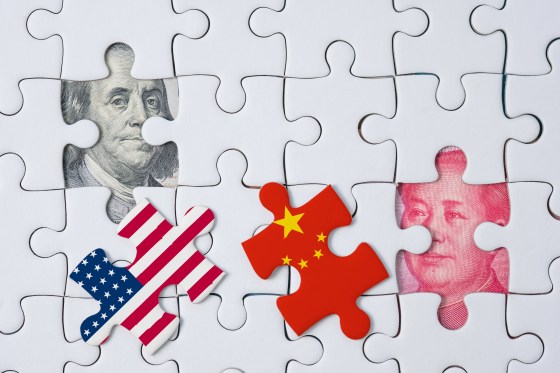
The United States and China have one of the world’s most complex relationships. The two countries have experienced periods of tension and cooperation over a range of issues. Key areas of conflict between the two include trade and economic practices. While the US and China have a critical trade relationship, they are also major competitors.

Implications of U.S. Recognition of Somaliland

In recent years, there has been increased buzz over the United States becoming the first UN member state to recognize the independence of the self-declared state of Somaliland. In March 2022, Somalilander leaders met with members of Congress and the Biden administration to lobby for American recognition of their aspirational state. Citing growing Chinese influence in the Horn of Africa and the success of Somaliland’s democracy as opposed to Somalia’s failed state, Somalilander has made the case for recognition on the grounds of guaranteeing stability and US influence in the region

Politics Across Europe: Looking back at the Draghi Report after a year

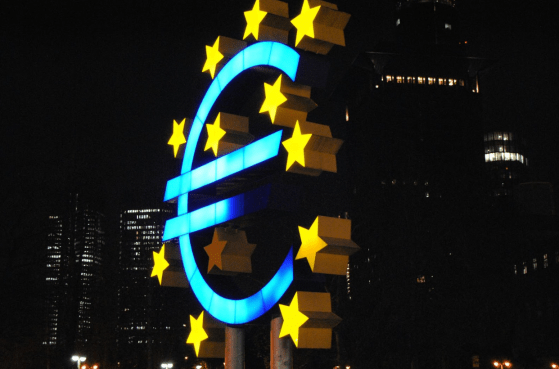
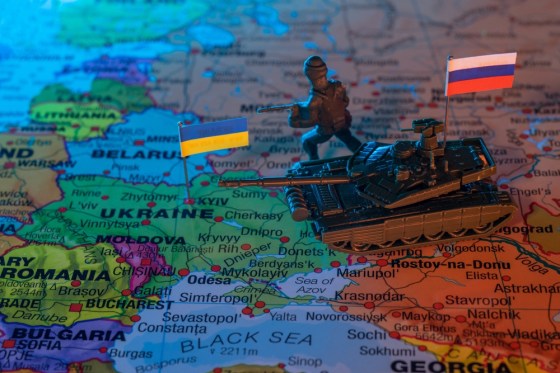
The European Union (EU) is turning to new strategies to boost its global competitiveness, which has declined in recent years. The European economy has been hit hard by rising public debts following the pandemic and rising energy costs due to sanctions imposed on Russia following the Russia-Ukraine war. However, when you look at the big picture, the crisis Europe was experiencing was not due to these two events but rather to structural problems.

Randy Caparoso, CC BY-SA 4.0 , via Wikimedia Commons

Tariff, Tariffs, Tariffs: Who Really Pays?

We’ve all heard the word surface again and again in the news recently, from Trump’s policy agenda to numerous countries responding with reciprocal tariffs. Their effects span from countries, rates, and goods. The question is, just how impactful is this oft-wielded economic policy, and what kind of impact will it wield on us, the American consumers?

A Change in Regime

On December 8th, 2024, the Syrian Ba’athist Party and the Assad political dynasty were exhumed from the Syrian administration after a grueling decade of civil war. Since the start of the Arab Spring in 2011, the president of Syria, Bashar al-Assad, waged an all-out war on the country’s political insurgents. The Arab Spring was a chain of protests across North Africa and the Middle East that demanded civic freedoms from their authoritarian governments, attempting to loosen autocratic regimes’ grip over their people.

A Temporary Rapprochement for Israel and Palestine

Although the peace created by the ceasefire has been unstable, with some noting it to be only temporary- it has put a pause on the hostilities that have enveloped millions of people for the last 15 months. As the new year begins, the world must remain hopeful that a lasting peace can be achieved through multilateralism and faith in our international institutions.

The Swinging 60s: Cultural Revolutions and Legislative Reactions in Britain

In an April 1966 edition of Time Magazine, the sociocultural landscape of Britain was vividly described as being “in the midst of a bloodless revolution” (“Time Magazine” 1966). The rejection of the elite-dominated status quo ushered in the creation of a new social order– a society in which people wore “suspiciously bright cloth[ing],” listened to catchy beat music, and talked openly about sex. 

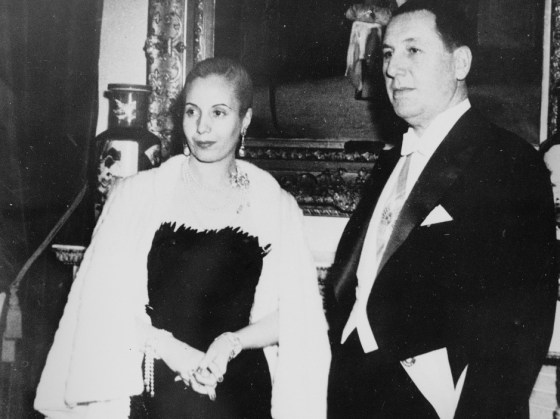
How Perón Rescued and Failed Argentina

In the recent Argentine presidential election of November 2023, a surprising wave of young adult voters (almost 70% percent of the under 30’s) cast their votes for the libertarian, extremist candidate Javier Milei, instead of Sergio Massa, the candidate for the Peronist party in government. However, young voters weren’t just rejecting the current Peronist government, but rejecting the Peronists who have dominated Argentine politics for the last 80 years. 

German Socialist and Liberal Policies, and Their Influence on Art in the 1960s

As the Berlin Wall divided a nation, the artistic landscape of modern art in the 1960s is represented by a contrast between the German Democratic Republic, or GDR, i.e. East Germany, and the Federal Republic of Germany, or FRG, i.e. West Germany. In the ostensibly free and culturally vibrant Federal Republic of Germany in the 1960s, celebrated as a hub of artistic expression, a perplexing reality emerged.

The Time of Monsters – Russia’s Failed Experiment With Democracy

As thick black smoke billows into the sky, the president’s forces stormed the Parliament to the sound of more gunfire. The political change is palpable; Russian democracy is dead, and while no one knows it yet, the path has been laid for a new unknown political actor named Vladimir Putin to take and hold power. We know how this story ends, but where does it begin and when did things go so terribly wrong?

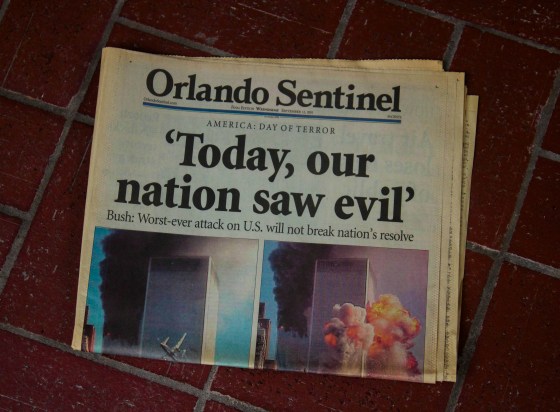
The War on Terror and its Impact on the Trust of Politicians in the 2000s

The extreme turbulence of the early 2000s along with the missteps of leadership by politicians created a larger problem – an overall loss of faith in government by some. The 2000s can be pinpointed as a shift in view for many Americans, splitting the American political sphere into various factions that have only continued to grow to this day.

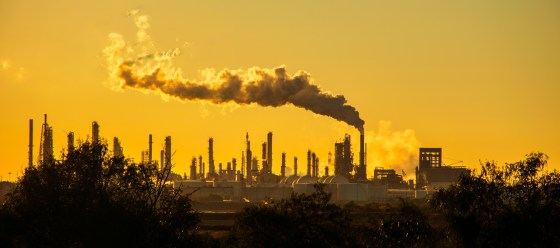
Climate Change as a Priority in Future Global Elections

In last year’s 117th Congress, 139 out of 535 elected officials (~25%) refused to acknowledge the existence of climate change. It is important to note that these 139 representatives have collectively received $61 million in lifetime contributions from the coal, oil, and gas industries.