The end of politics? A brief analysis of Türkiye in the context of competitive authoritarianism

In recent years, Türkiye’s political trajectory has become one of the most debated cases in comparative politics due to its rapid transformation from a democratically promising EU candidate to an increasingly authoritarian system. Academics, policymakers, and international observers have highlighted Türkiye as a critical example of how elected governments can gradually erode democratic institutions while maintaining formal electoral procedures.

Deportations for Tariffs: How the Trump Administration is Using Foreign Policy to Achieve Domestic Goals

Donald Trump promised supporters that the United States would make a show of strength by forcibly removing foreign nationals from the country by any means necessary and by putting an end to “unfair” trade deals that benefited foreign countries more than the US. Prior to entering office, experts anticipated that Trump’s foreign policy would be based on a reciprocal approach to diplomacy, viewing relationships as “transactional” (Cha 2024). Both policies, mass deportations and protectionist trade policies, have become intertwined tools in a larger strategy of coercive diplomacy.

Cooperation and Contention: The Dynamic Relationship Between the United States and China

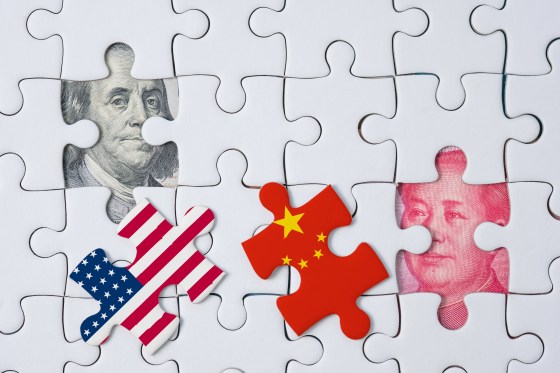
The United States and China have one of the world’s most complex relationships. The two countries have experienced periods of tension and cooperation over a range of issues. Key areas of conflict between the two include trade and economic practices. While the US and China have a critical trade relationship, they are also major competitors.

Politics Across Europe: Looking back at the Draghi Report after a year

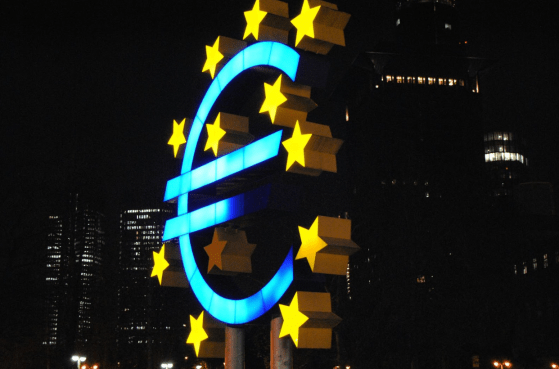
The European Union (EU) is turning to new strategies to boost its global competitiveness, which has declined in recent years. The European economy has been hit hard by rising public debts following the pandemic and rising energy costs due to sanctions imposed on Russia following the Russia-Ukraine war. However, when you look at the big picture, the crisis Europe was experiencing was not due to these two events but rather to structural problems.