Deportations for Tariffs: How the Trump Administration is Using Foreign Policy to Achieve Domestic Goals

Donald Trump promised supporters that the United States would make a show of strength by forcibly removing foreign nationals from the country by any means necessary and by putting an end to “unfair” trade deals that benefited foreign countries more than the US. Prior to entering office, experts anticipated that Trump’s foreign policy would be based on a reciprocal approach to diplomacy, viewing relationships as “transactional” (Cha 2024). Both policies, mass deportations and protectionist trade policies, have become intertwined tools in a larger strategy of coercive diplomacy.

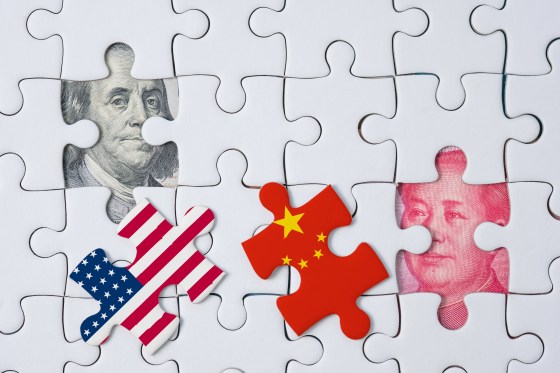
Cooperation and Contention: The Dynamic Relationship Between the United States and China

The United States and China have one of the world’s most complex relationships. The two countries have experienced periods of tension and cooperation over a range of issues. Key areas of conflict between the two include trade and economic practices. While the US and China have a critical trade relationship, they are also major competitors.

New Year, New Rules: The 2025 Laws That Are Shaking Up America

This year, America saw a great deal of new laws passed addressing issues such as AI, abortion, guns, tariffs, and more. 2025’s new policies and regulations display the ideological divide across the United States; while California and New York move to regulate AI and protect abortion access, states like Florida and Texas double down on restrictions.

Randy Caparoso, CC BY-SA 4.0 , via Wikimedia Commons

Tariff, Tariffs, Tariffs: Who Really Pays?

We’ve all heard the word surface again and again in the news recently, from Trump’s policy agenda to numerous countries responding with reciprocal tariffs. Their effects span from countries, rates, and goods. The question is, just how impactful is this oft-wielded economic policy, and what kind of impact will it wield on us, the American consumers?