The Story of Populist Rhetoric and Image in the Age of Information

 “Eat the Rich.” “Power to the People.” “Make America Great Again.” These populist slogans pop up everywhere, from graffiti under an overpass to TikTok “For You” pages. The basic populist message—“the people” versus “the elites”—isn’t new. It was used by American revolutionaries in the 1700s, rebellious farmers in the late 19th century, and even anti-communist politicians in the 1950s (Gillon 2025). But over the past half-century, populist rhetoric has dramatically increased on both the right and left.


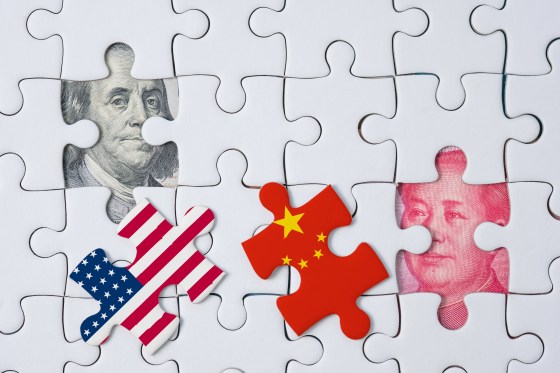
Cooperation and Contention: The Dynamic Relationship Between the United States and China

The United States and China have one of the world’s most complex relationships. The two countries have experienced periods of tension and cooperation over a range of issues. Key areas of conflict between the two include trade and economic practices. While the US and China have a critical trade relationship, they are also major competitors.

Commitments and Contradictions: Issues Underlying the Trump Administration’s Health Policy 

The United States’ current health policy has undergone significant changes since President Trump took office. The Trump administration’s approach to health policy is marked by a mix of ambitious reforms and internal contradictions. Central to this dynamic is the tense debate surrounding the administration’s approach to vaccinations, coupled with Trump’s seemingly contradictory mission to Make American Healthy Again (MAHA).

The History and Modern Rise of Pronatalism

The Trump administration has made it clear: it wants Gen Z to catch baby fever. At an anti-abortion rally in January, VP J.D. Vance said that he wanted “more babies” in America (The Columbus Dispatch 2025). In March, Trump dubbed himself the “fertilization president” and suggested a “national medal of motherhood” for women with six or more children (Stechyson 2025).

World Leaders on Trial: When Presidents Incite Violence Against Their Own Country

Bolsonaro’s attempted coup has striking parallels to the January 6th insurrection in the U.S. with the stark discrepancy being the fact that Bolsonaro faced criminal prosecution, and Trump’s case was dismissed. Within the last decade, several leaders worldwide have attempted to unlawfully seize power when losing their reelection bids or facing impeachment, but many of them faced judicial pressure and long sentences of imprisonment.

Randy Caparoso, CC BY-SA 4.0 , via Wikimedia Commons

Tariff, Tariffs, Tariffs: Who Really Pays?

We’ve all heard the word surface again and again in the news recently, from Trump’s policy agenda to numerous countries responding with reciprocal tariffs. Their effects span from countries, rates, and goods. The question is, just how impactful is this oft-wielded economic policy, and what kind of impact will it wield on us, the American consumers?

The One Big Beautiful Bill: Outcomes for Noncitizen Healthcare and New York’s Response

On July 4th, 2025, President Trump signed into law the One Big Beautiful Bill Act (OBBA). At the end of June, as the bill ricocheted between the House and the Senate, our timelines were barraged by political pundits analyzing its far-reaching effects. However, the subject that garnered the most bipartisan attention was changes in federally funded health insurance programs.

“Oh Snap” Elections: A Guide to Canada’s Electoral Procedure and Party System

Canadians, originally not due for new elections until October 20 of this year, will go to the polls on April 28, 2025, in a snap election called for by new Canadian Prime Minister (PM) and Liberal Party leader Mark Carney. Carney will face Conservative Party leader and member of parliament (MP) Pierre Poilievre, who, until recently, had successfully campaigned against the incumbent Liberal government to achieve a significant lead in the polls.

How Much Should We Care About the National Debt?

The United States Government is around $36,220,000,000,000 in debt as of April 2025, according to figures calculated by the US Treasury. The figure is immense, exceeding America’s 2023 gross domestic product by trillions. The sheer scale of the debt informs why reducing it has been one of the current Trump Administration’s largest stated goals in their policy agendas so far.

Hochul vs. Trump: Congestion Pricing

Gridlock is a term that was coined in New York City, referring to the traffic congestion preventing the efficient functioning of the city’s network of intersections, particularly in Manhattan. The term has existed since the emergence of America’s car culture in the 1900s when New York officials believed that a toll system would be the best solution to the traffic problem in Manhattan. However, New York officials have recently developed an ambitious experiment to resolve traffic control: congestion tolling.

From blue to red and back again: Fracking across the administrations, a brief explanation of fracking policy during Obama, Trump and Biden administrations. 

A single, undeniable fact looms large in the political sphere—the world is warming. Each passing year pushes the planet closer to a potential climate catastrophe, the threat of which has grown to dominate the past four presidential terms and now demands immediate action. The differing approaches of presidential administrations and their subsequent consequences are quite complex. To better understand broader climate policy, we can look at the changes in U.S policy on a specific issue.

Who Does High Turnout Benefit in the Trump Era?

The 2024 presidential election campaign, characterized by a quick succession of unexpected and shocking twists and turns, is likely to result in an incredibly close election. Most polls show Vice President Kamala Harris and former President Donald Trump in a dead heat in the seven battleground states. Vice President Harris has a slight lead in national polls but is well within the margin of error.

What is the Presidential Records Act?

Congress enacted the Presidential Records Act (PRA) in 1978 initially as a reaction to the Richard Nixon Watergate scandal and a dispute over his presidential records. The new legislation essentially changed the legal ownership of presidential records from private to public; the records belonged to the United States government rather than the President himself. It also laid out the process of filing records and what happens after a President’s term comes to an end.

Climate Change as a Priority in Future Global Elections

In last year’s 117th Congress, 139 out of 535 elected officials (~25%) refused to acknowledge the existence of climate change. It is important to note that these 139 representatives have collectively received $61 million in lifetime contributions from the coal, oil, and gas industries.