The United States prides itself on democratic and egalitarian values. Despite this, we choose to elect our executive by means of an Electoral College, which due to its nature, sometimes produces antimajoritarian election outcomes. These results go against the wishes of a majority of voters.
Category: Elections
Third Parties and Strategic Voting
Elections in the United States are dominated by a two-party system with Democrats on the centre-left and Republicans on the centre-right. Although there are other parties, they receive negligible amounts of support and often fail to win any significant elections. For voters who support third parties, elections can be frustrating, as it seems like there is no good outcome when casting a vote.
Zohran Mamdani: What a Democratic Socialist Mayor could mean for NYC
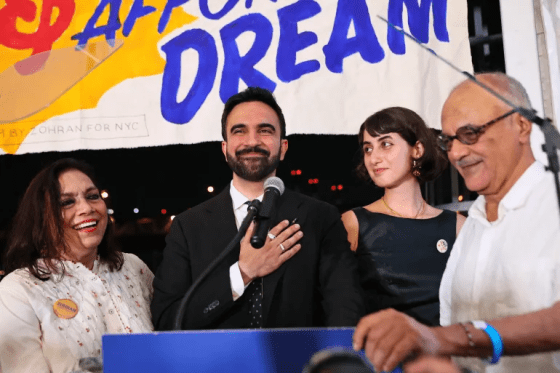
The 2025 Democratic mayoral primary stunned New York City when former Governor Andrew Cuomo conceded to Zohran Mamdani. Cuomo was a political veteran strongly favored by Democratic leaders, despite having a sexual harassment scandal in 2021. The odds had been stacked against the 33-year-old Assemblyman, a newcomer to citywide politics. Yet Mamdani made history.
What Has the Recent Rise in Campaign Spending Meant for Policy?
The influence of moneyed interest in elections has become increasingly relevant in American politics over the past twenty years. This influence has reached new levels of concern in the second Trump Administration; over thirty different wealthy campaign donors, who collectively contributed hundreds of millions to Donald Trump’s 2024 presidential election campaign, have been appointed to key positions in his Cabinet.
Follow the Money: Campaign Financing in the NYC Mayoral Election
Voters in New York City are set to go to the polls on November 4th to elect a new mayor. In the months leading up to the election, the race has been jam packed. Currently, the four main candidates in the race are Zohran Mamdani (Democrat), Eric Adams (Independent), Andrew Cuomo (Independent), and Curtis Sliwa (Republican).
“Oh Snap” Elections: A Guide to Canada’s Electoral Procedure and Party System
Canadians, originally not due for new elections until October 20 of this year, will go to the polls on April 28, 2025, in a snap election called for by new Canadian Prime Minister (PM) and Liberal Party leader Mark Carney. Carney will face Conservative Party leader and member of parliament (MP) Pierre Poilievre, who, until recently, had successfully campaigned against the incumbent Liberal government to achieve a significant lead in the polls.
Declining Leaders and An Ascendant Political Right in Germany and Canada
German and Canadian voters will go to the polls this year in national elections. At the latest, Canadian voters will vote in October, while a German snap election will be held on February 23. Both elections will take place in the context of ongoing political and economic turmoil in both countries and backlash directed at incumbent political parties observed in elections globally in 2024.
Electoral Cooperation Across Borders?: Political Internationals and Electoral Coordination
An often neglected aspect of political parties is their broader participation in transnational political organizations, referred to as political internationals. A political international is a transnational organization comprising parties with a common ideology or political outlook.
Who Does High Turnout Benefit in the Trump Era?
The 2024 presidential election campaign, characterized by a quick succession of unexpected and shocking twists and turns, is likely to result in an incredibly close election. Most polls show Vice President Kamala Harris and former President Donald Trump in a dead heat in the seven battleground states. Vice President Harris has a slight lead in national polls but is well within the margin of error.
Trump’s Legal Woes: How Will it Affect the Primaries?
In an unprecedented turn of events, Donald Trump, the former president and current presidential candidate, finds himself in uncharted waters, becoming the first U.S. president to be indicted while simultaneously dealing with multiple other major legal cases and federal felony counts.
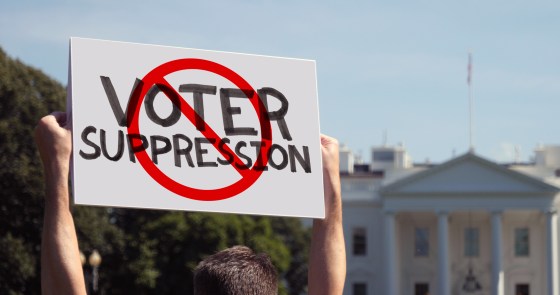
The Last Frontier of Disenfranchisement: Felons and Voting Rights in America
Over the course of American history, there have been efforts to ensure all citizens have the right to vote. However, there is still one final group in the United States that has been unfairly disenfranchised: former felons.
Climate Change as a Priority in Future Global Elections
In last year’s 117th Congress, 139 out of 535 elected officials (~25%) refused to acknowledge the existence of climate change. It is important to note that these 139 representatives have collectively received $61 million in lifetime contributions from the coal, oil, and gas industries.
Choosing How to Choose: Alternative Electoral Systems
While there is likely no single reform that could solve all the problems with American politics, it could be good to look at some alternative voting systems that could be implemented in the United States. The majoritarian electoral system used in the US is not the only type that is used across the world, after all.
Enlarging the House
The House of Representatives is legally mandated to contain 435 seats pursuant to the Permanent Apportionment Act of 1929. This mandate on the number of congressional districts has remained stagnant despite the fact that the average population in each congressional district has nearly tripled from 280,675 persons in 1930 to more than 760,000 persons today.
The Tennessee Three
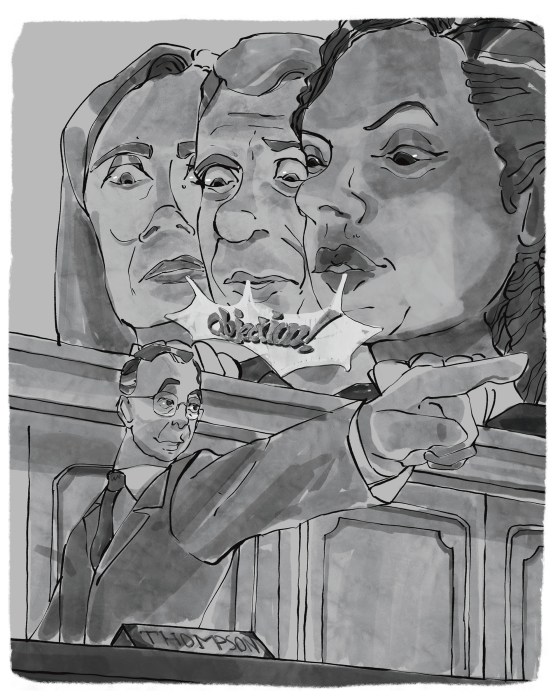
Declarations of fascism rang throughout the chamber of the Tennessee House of Representatives on April 3 as House Speaker Cameron Sexton (R-Crossville) called for a vote on three resolutions to expel three Democrats for “disorderly behavior.”
A House Divided: Is Congress Fueling or Reflecting Polarization in the US?
If you ask any politically aware person about the state of American politics today, they will likely characterize it with one word: polarization.
SCOTUS Hears Arguments in Moore v. Harper: Independent State Legislature Doctrine May Have Implications for Federal Election Processes
At stake? Democracy itself—a broad adoption of the ISL doctrine could result in rogue legislatures stripping previously-guaranteed voting rights protections from the state constitution with no ability for state courts to protect these rights.
Binghamton University Alum Hakeem Jeffries Becomes New House Minority Leader in Democratic Leadership Shakeup
With Jeffries becoming more prominent in American politics now than ever before, Happy Medium offers a profile of the congressman as a politician and as a Binghamton alum.
Student Candidate Chance Fiorisi Stakes His Claim for Binghamton City Council
BU undergraduate aims to knock on every door in the district with the goal of building a grassroots campaign.
2022 Midterm Elections Recap
HM Political Director Bryan Goodman breaks down what happened in November and what it means going forward.
You must be logged in to post a comment.