The Story of Populist Rhetoric and Image in the Age of Information

 “Eat the Rich.” “Power to the People.” “Make America Great Again.” These populist slogans pop up everywhere, from graffiti under an overpass to TikTok “For You” pages. The basic populist message—“the people” versus “the elites”—isn’t new. It was used by American revolutionaries in the 1700s, rebellious farmers in the late 19th century, and even anti-communist politicians in the 1950s (Gillon 2025). But over the past half-century, populist rhetoric has dramatically increased on both the right and left.

Third Parties and Strategic Voting

Elections in the United States are dominated by a two-party system with Democrats on the centre-left and Republicans on the centre-right. Although there are other parties, they receive negligible amounts of support and often fail to win any significant elections. For voters who support third parties, elections can be frustrating, as it seems like there is no good outcome when casting a vote.

The History and Modern Rise of Pronatalism

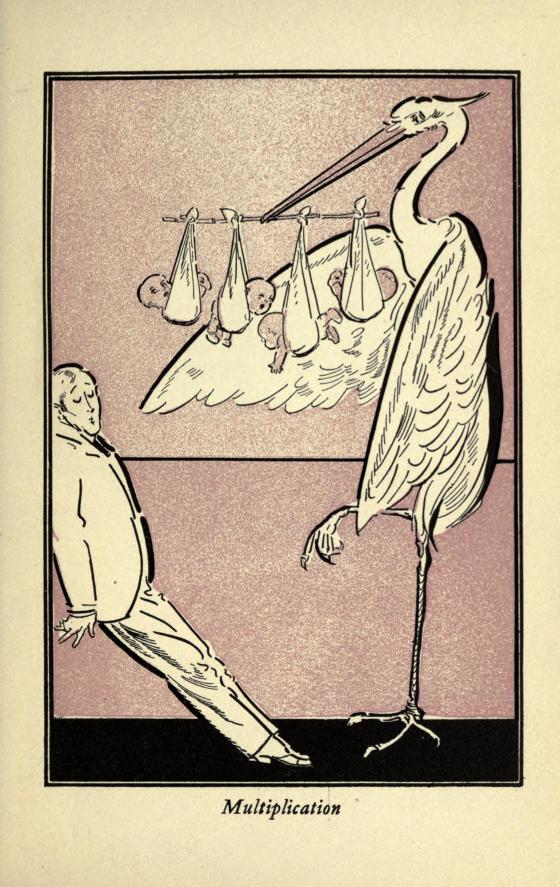
The Trump administration has made it clear: it wants Gen Z to catch baby fever. At an anti-abortion rally in January, VP J.D. Vance said that he wanted “more babies” in America (The Columbus Dispatch 2025). In March, Trump dubbed himself the “fertilization president” and suggested a “national medal of motherhood” for women with six or more children (Stechyson 2025).

Who let the DOGE out? Will the Courts be able to muzzle Musk?

Vandalized Teslas, hundreds of protests, stormed dealerships, and scared owners—what’s going on here? The target is Elon Musk, owner of Tesla, and appointed “head” of Trump’s new Department of Government Efficiency (DOGE). The motive? A widespread belief that Musk has used his wealth to meddle in politics to the detriment of our democracy.

How the GOP Has Changed After the Rise of Donald Trump

The evolution of GOP policies from the Reagan era to the Trump era is complex and influenced by numerous political, economic, and social factors. While this essay provides a broad comparison, it does not capture the full scope of nuanced policy shifts, ideological debates, and external influences that have shaped the party over time.

Trust in the Media and a Path Forward

It’s a worrying paradox—information used to evaluate trust in the media is itself vulnerable to distrust. It is indicated that there is a consensus in the numbers across the political divide—Americans’ trust in the media is at an all-time low.

How the Framers Created the Debate on Constitutional Interpretation

The Constitution says very little about the Supreme Court – its role is outlined in just a few sections. The document truly does not delve deeply into the size, structure, or detailed operation of our nation’s highest Court. Despite knowing the difficulties of constitutional interpretation, the framers deliberately chose not to prescribe a specific method of interpretation.

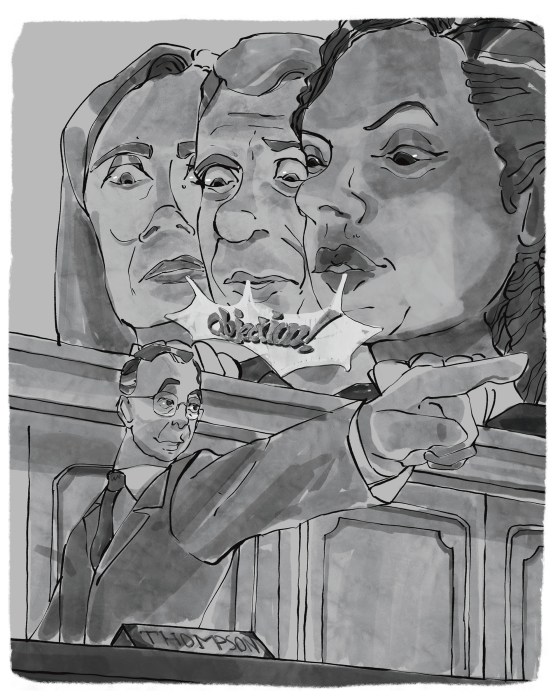
SCOTUS Hears Arguments in Moore  v. Harper: Independent State Legislature Doctrine May Have Implications for Federal Election Processes

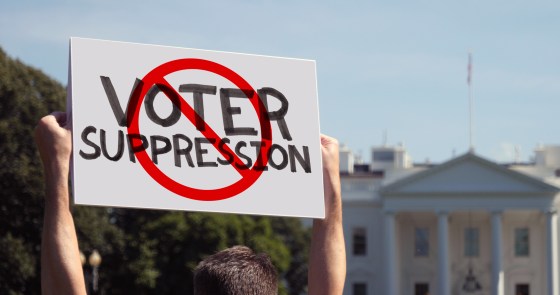
At stake? Democracy itself—a broad adoption of the ISL doctrine could result in rogue legislatures stripping previously-guaranteed voting rights protections from the state constitution with no ability for state courts to protect these rights.

Palestine, Settler Colonialism, and the National Question: Part I

On Tuesday, February 1, Amnesty International published a report titled “Israel’s Apartheid Against Palestinians: Cruel System of Domination and Crime Against Humanity”—officially joining B’Tselem, Human Rights Watch, and the United Nations Economic and Social Commission for Western Asia in condemning Israel’s systematic oppression of Palestinians as a criminal act of apartheid.