The United States prides itself on democratic and egalitarian values. Despite this, we choose to elect our executive by means of an Electoral College, which due to its nature, sometimes produces antimajoritarian election outcomes. These results go against the wishes of a majority of voters.
Tag: Elections
Third Parties and Strategic Voting
Elections in the United States are dominated by a two-party system with Democrats on the centre-left and Republicans on the centre-right. Although there are other parties, they receive negligible amounts of support and often fail to win any significant elections. For voters who support third parties, elections can be frustrating, as it seems like there is no good outcome when casting a vote.
Zohran Mamdani: What a Democratic Socialist Mayor could mean for NYC
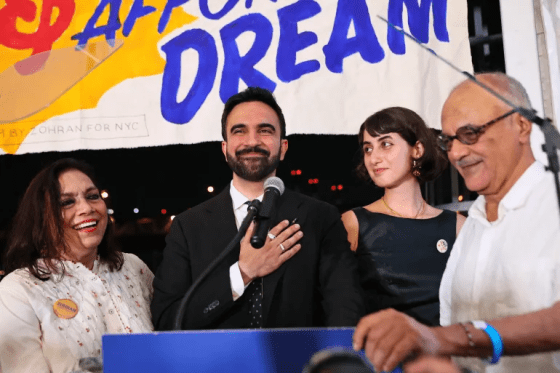
The 2025 Democratic mayoral primary stunned New York City when former Governor Andrew Cuomo conceded to Zohran Mamdani. Cuomo was a political veteran strongly favored by Democratic leaders, despite having a sexual harassment scandal in 2021. The odds had been stacked against the 33-year-old Assemblyman, a newcomer to citywide politics. Yet Mamdani made history.
Follow the Money: Campaign Financing in the NYC Mayoral Election
Voters in New York City are set to go to the polls on November 4th to elect a new mayor. In the months leading up to the election, the race has been jam packed. Currently, the four main candidates in the race are Zohran Mamdani (Democrat), Eric Adams (Independent), Andrew Cuomo (Independent), and Curtis Sliwa (Republican).
“Oh Snap” Elections: A Guide to Canada’s Electoral Procedure and Party System
Canadians, originally not due for new elections until October 20 of this year, will go to the polls on April 28, 2025, in a snap election called for by new Canadian Prime Minister (PM) and Liberal Party leader Mark Carney. Carney will face Conservative Party leader and member of parliament (MP) Pierre Poilievre, who, until recently, had successfully campaigned against the incumbent Liberal government to achieve a significant lead in the polls.
Declining Leaders and An Ascendant Political Right in Germany and Canada
German and Canadian voters will go to the polls this year in national elections. At the latest, Canadian voters will vote in October, while a German snap election will be held on February 23. Both elections will take place in the context of ongoing political and economic turmoil in both countries and backlash directed at incumbent political parties observed in elections globally in 2024.
Electoral Cooperation Across Borders?: Political Internationals and Electoral Coordination
An often neglected aspect of political parties is their broader participation in transnational political organizations, referred to as political internationals. A political international is a transnational organization comprising parties with a common ideology or political outlook.
Who Does High Turnout Benefit in the Trump Era?
The 2024 presidential election campaign, characterized by a quick succession of unexpected and shocking twists and turns, is likely to result in an incredibly close election. Most polls show Vice President Kamala Harris and former President Donald Trump in a dead heat in the seven battleground states. Vice President Harris has a slight lead in national polls but is well within the margin of error.
How Perón Rescued and Failed Argentina
In the recent Argentine presidential election of November 2023, a surprising wave of young adult voters (almost 70% percent of the under 30’s) cast their votes for the libertarian, extremist candidate Javier Milei, instead of Sergio Massa, the candidate for the Peronist party in government. However, young voters weren’t just rejecting the current Peronist government, but rejecting the Peronists who have dominated Argentine politics for the last 80 years.
A House Divided: Is Congress Fueling or Reflecting Polarization in the US?
If you ask any politically aware person about the state of American politics today, they will likely characterize it with one word: polarization.
SCOTUS Hears Arguments in Moore v. Harper: Independent State Legislature Doctrine May Have Implications for Federal Election Processes
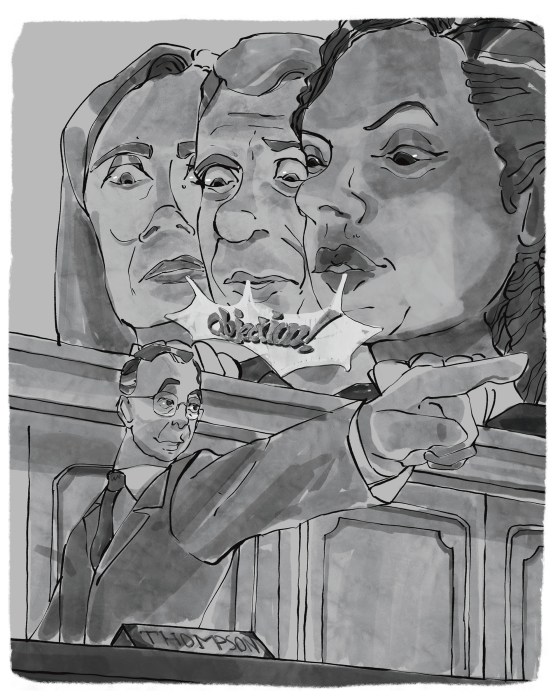
At stake? Democracy itself—a broad adoption of the ISL doctrine could result in rogue legislatures stripping previously-guaranteed voting rights protections from the state constitution with no ability for state courts to protect these rights.