Third Parties and Strategic Voting

Elections in the United States are dominated by a two-party system with Democrats on the centre-left and Republicans on the centre-right. Although there are other parties, they receive negligible amounts of support and often fail to win any significant elections. For voters who support third parties, elections can be frustrating, as it seems like there is no good outcome when casting a vote.

The War on Terror and its Impact on the Trust of Politicians in the 2000s

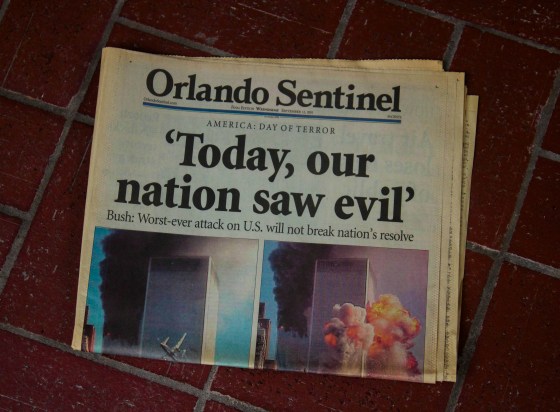
The extreme turbulence of the early 2000s along with the missteps of leadership by politicians created a larger problem – an overall loss of faith in government by some. The 2000s can be pinpointed as a shift in view for many Americans, splitting the American political sphere into various factions that have only continued to grow to this day.

Climate Change as a Priority in Future Global Elections

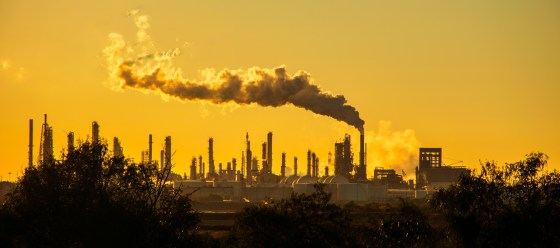
In last year’s 117th Congress, 139 out of 535 elected officials (~25%) refused to acknowledge the existence of climate change. It is important to note that these 139 representatives have collectively received $61 million in lifetime contributions from the coal, oil, and gas industries.

SCOTUS Hears Arguments in Moore  v. Harper: Independent State Legislature Doctrine May Have Implications for Federal Election Processes

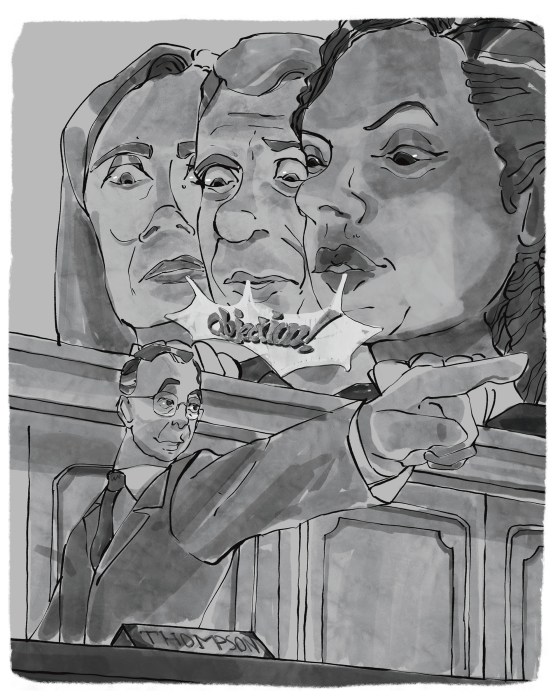
At stake? Democracy itself—a broad adoption of the ISL doctrine could result in rogue legislatures stripping previously-guaranteed voting rights protections from the state constitution with no ability for state courts to protect these rights.